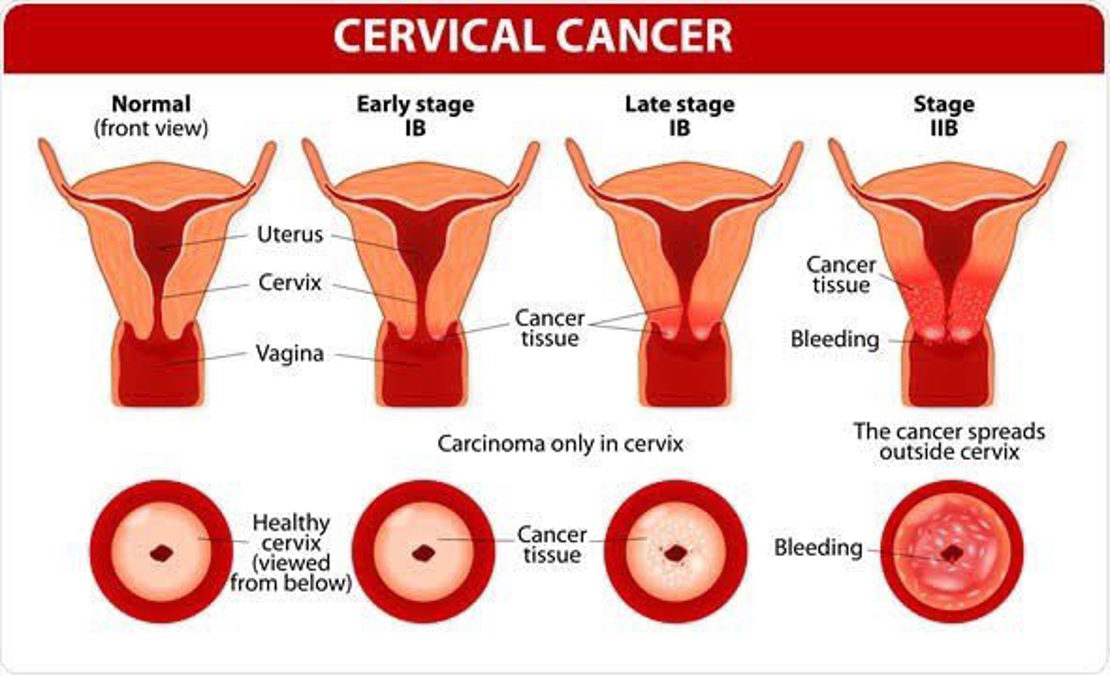
Cervical cancer develops in the cells of the cervix, which is the lower part of the uterus connecting to the vagina. Nearly all cases of cervical cancer are caused by persistent infection with high-risk types of human papillomavirus (HPV).
HPV is very common and usually clears on its own. In some cases, however, the virus persists and causes abnormal cell changes over many years. If these changes are not detected and treated early, they can develop into cervical cancer.
Cervical cancer is the fourth most common cancer in women worldwide. In 2022, there were an estimated 660,000 new cases and 350,000 deaths globally, with around 90% of deaths occurring in low- and middle-income countries due to limited access to vaccination, screening and treatment.
In Bermuda, cervical cancer is relatively uncommon, with a small number of cases diagnosed each year due to the island’s population size and access to screening services. However, even a small number of cases represents a significant personal and family impact — and importantly, most cases are preventable.
Regular cervical screening and HPV vaccination remain essential in Bermuda, as:
Early-stage cervical cancer often has no symptoms
Screening can detect pre-cancerous changes before cancer develops
Early detection greatly improves treatment outcomes
Because Bermuda is a small population, year-to-year case numbers can vary. This makes consistent screening participation especially important to reduce risk across the population.
The good news is that cervical cancer is one of the most preventable and treatable cancers when detected early.
The Bermuda Cancer and Health Centre provides:
Information and education on cervical cancer prevention
Guidance on screening and follow-up
Cancer navigation services for individuals diagnosed with cancer
If you are concerned about cervical cancer or would like more information about screening and support services, please contact us.
Cervical Cancer Fact Sheet - World Health Organisatin
Causes, Risk Factors and Prevention
Early Detection, Diagnosis and Staging
More information: